


Shopping mall display counter background letters, brand exhibition hall slogan walls,
corporate meeting room feature walls, indoor signage and wayfinding systems (not
recommended for outdoor use).
Orlanto Sign Make Place More Understandable

 Aug 12, 2026|
 View:189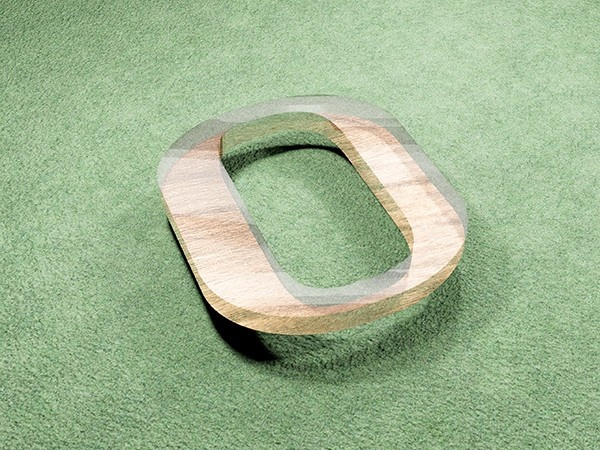
In the process of custom signage fabrication, acrylic letters, metal letters, PVC letters, and lighted letters are the four most commonly used material types. Understanding the process differences, performance characteristics, and application scenarios of different materials is the foundation for making sound material selection decisions.
This article analyzes four mainstream identification materials from four dimensions: material properties, manufacturing processes, application scenarios, and specification references.
Acrylic (PMMA), commonly known as plexiglass or organic glass, achieves a light transmittance of up to 92% or more, with optical properties close to those of glass.
Using cast or extruded sheets as base material, acrylic letters are formed through laser cutting or CNC engraving. Laser cutting produces smooth edges without secondary processing; engraving machines are suitable for complex graphics and require flame polishing after cutting to round the edges. After forming, various colors and surface effects can be achieved through screen printing, spray painting, or film application.
Excellent light transmittance — uniform and soft light distribution when backlit, no dark spots
High color saturation — available in through-dyed colors or surface coating
Moderate surface hardness; daily cleaning requires soft cloths to avoid scratches from hard objects
Moderate outdoor weatherability; prolonged sun exposure causes yellowing and brittleness; UV coating extends service life, with typical outdoor lifespan of 3-5 years
Can be bent and shaped when heated, suitable for curved, spherical, and other custom shapes
Shopping mall display counter background letters, brand exhibition hall slogan walls,
corporate meeting room feature walls, indoor signage and wayfinding systems (not
recommended for outdoor use).
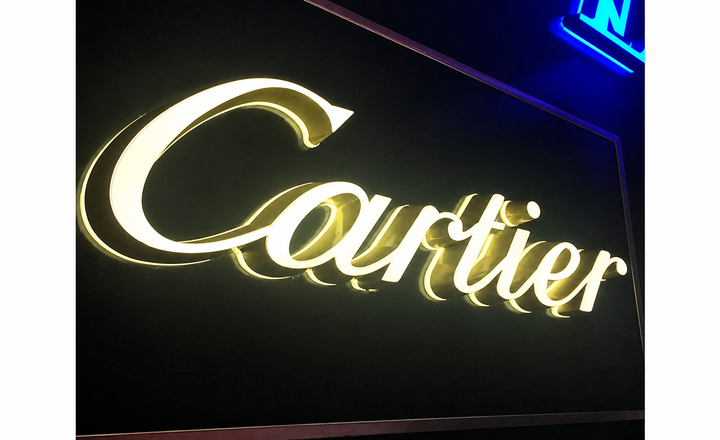
Standard thicknesses: 3mm, 5mm, 8mm, 10mm. Smaller letters with fine strokes use thinner sheets; letters exceeding 50cm in height should use 8mm or thicker to prevent deformation from long-term hanging.
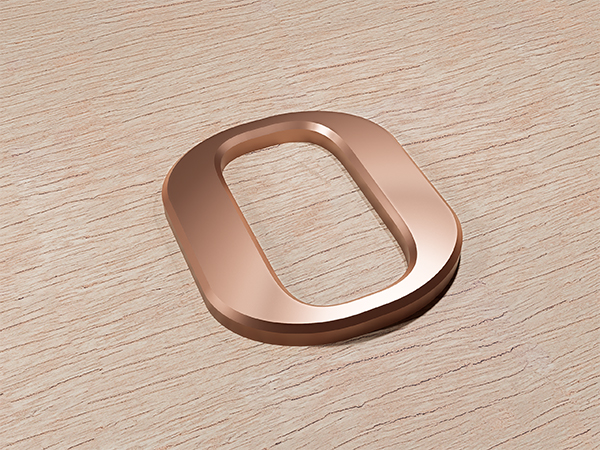
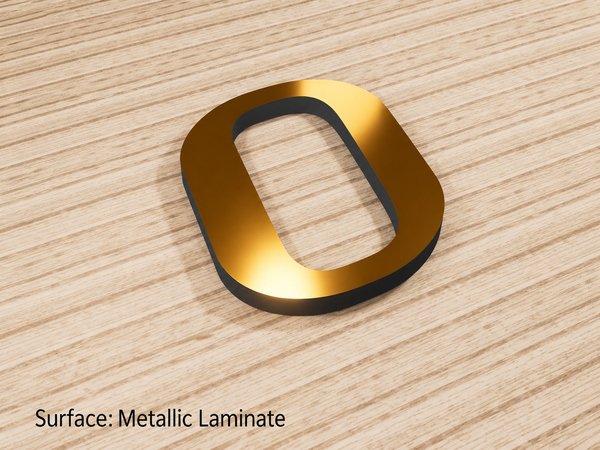
Metal letters are crafted from industrial-grade metal sheets including 304 or 201 stainless steel, copper, and titanium-gold alloy, with typical thickness ranging from 0.8mm to 1.5mm — significantly thicker than standard iron letters.
The fabrication process includes multiple steps: laser or waterjet cutting → bending and laser welding → progressive sanding and polishing → surface plating/powder coating/antiquing treatment → installation of mounting brackets or threaded rods on the back. Each step relies on skilled manual work, making this one of the highest-complexity categories in the signage industry.
Premium heavy texture with metallic matte or mirror finish, offering high visual quality
Excellent weatherability; 304 stainless steel achieves an outdoor lifespan of 8-10 years
Metal itself is opaque; for lighted effects, backlit or perforated dot-matrix lighting processes are required
Low maintenance — simply wipe with a damp cloth
Application Scenarios
Corporate front desk feature walls, rooftop letters for luxury hotels and office buildings, bank
and government institution signage, commercial complex landmark monuments.
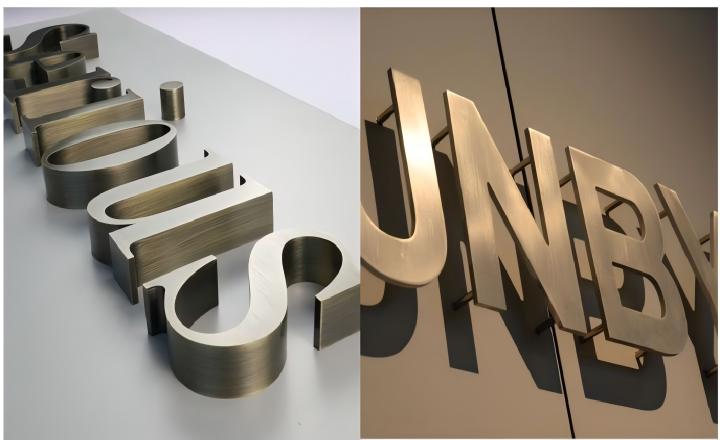
Mirror-finished stainless steel: strong modern appeal
Brushed stainless steel: matte and refined, understated and non-reflective
Titanium-gold / rose gold: luxury style
Powder coating: customizable to any color
Letter height ≤30cm: use 0.8mm; 30-80cm: use 1.0-1.2mm; above 80cm: use 1.5mm to prevent deformation.
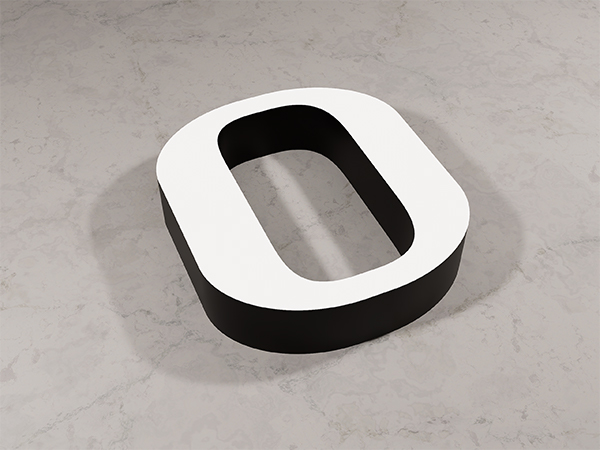
A composite structure consisting of an acrylic face panel with PVC foam board for the sides and back, bonded together with specialized adhesive.
Pure acrylic letters become expensive when thick and lack dimensional presence when thin; metal letters have visible seams on the sides. The acrylic-PVC combination provides a seamless front face, paintable side panels for color consistency, and allows for seamless joins on custom-shaped letters — combining quality texture with cost-effectiveness.
Strong visual integrity on the front face — no assembly seams
Warm hand feel, combining acrylic's gloss with PVC's softness
Lightweight and easy to install with low wall-loading requirements
Waterproof and moisture-resistant, suitable for indoor humid environments
Standard configuration is for indoor use only. For short-term outdoor use (within 2 years), choose high-density cellular PVC with UV coating
Stroke widths below 1cm are prone to breakage; bold font designs are recommended
Kindergarten and school cultural walls, hospital department signage, corporate honor walls,
shopping mall display stand decorative letters.
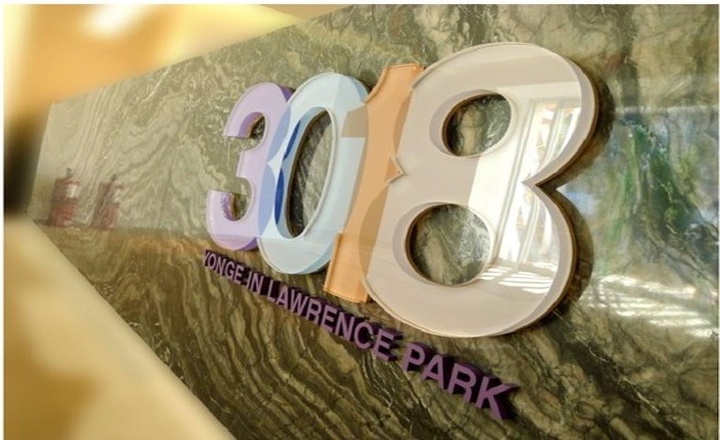
Total finished thickness typically ranges from 1.5cm to 3cm, with acrylic face panel thickness of 2-3mm and PVC backing thickness of 10-20mm.
Metal lighted letters consist of stainless steel or aluminum alloy metal housings with built-in waterproof LED light sources. Two mainstream types:
Perforated dot-matrix letters: LED lamp beads embedded in drilled holes on the metal face panel, creating a starry dot-matrix glow at night
Backlit letters: Opaque face panel with acrylic light-diffusing panel on the back; light radiates from behind onto the wall surface, forming a halo effect
IP65 or higher waterproof rating for all-weather outdoor use
High brightness — clearly visible from hundreds of meters away at night
LED energy consumption is over 80% lower than traditional neon lights, with a service life of approximately 50,000 hours
Lamp bead failure requires removal of the entire letter for repair; access panels should be reserved during installation
Restaurant and bar outdoor storefronts, chain supermarket and convenience store signage,
car dealerships, large outdoor advertising letters on rooftops.
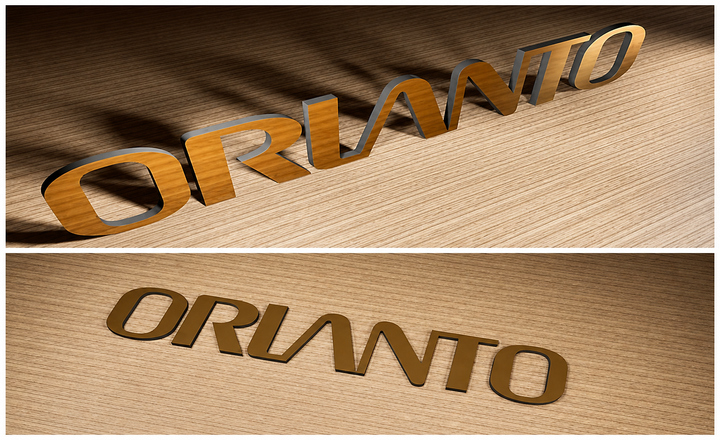
Perforated letters can be single-color (white, warm white, red, blue, green, etc.) or full-color dynamic color-changing; backlit letters should use white or warm white light for a clean and sophisticated look that suits most commercial spaces.
Indoor display with emphasis on transparency and color → Acrylic Letters
Premium understated aesthetic with long-term outdoor use → Metal Letters
Educational and healthcare settings requiring warmth and approachability, with budget constraints → Acrylic-PVC Composite Letters
Street-facing storefronts requiring nighttime visibility → Metal Lighted Letters
Consider your installation environment, budget range, and overall visual style comprehensively when making your decision.
Not necessarily. Thickness should be chosen based on letter size and installation method: letters up to 30cm in height use 3-5mm; 30-50cm use 5-8mm; above 50cm use 8-10mm. Excessive thickness adds unnecessary cost, while insufficient thickness leads to deformation. Indoor small letters use thinner sheets; outdoor large letters require thicker material.
With 304 stainless steel and powder coating, outdoor lifespan reaches 8-10 years with virtually no maintenance required. However, be sure to specify 304 vs. 201 stainless steel: 304 offers excellent rust resistance for long-term outdoor use; 201 is cheaper but may show rust within one year in coastal or high-humidity areas. For outdoor signage, 304 is recommended.
LED light sources have a lifespan of approximately 50,000 hours with very low failure rates in daily use. However, if a lamp bead fails, the entire letter typically needs to be removed and returned to the shop for repair. Be sure to request access panel accommodation during installation. Confirm the light source brand with the manufacturer before production — generic lamp beads and branded products differ significantly in stability and lifespan.
Consider your usage scenario and business hours. If signage is installed in a street-facing outdoor location with nighttime operations, lighted letters significantly improve visibility distance and brand exposure — making them essential. If signage is for indoor or daytime-only display with budget constraints, non-lighted materials (acrylic, metal, acrylic-PVC composite) are sufficient.
For more information on custom signage solutions, please contact our professional team for a free consultation and quotation.

Orlanto is a designer, manufacturer and distributor of all kinds of indoor and outdoor signage & way finding solutions.


E-mail: sales.eu@orlantosigns.com
Mobile: 0086-13606129584
Tel: 0086-519-88707719
WhatsApp: +86-13606129584
Add: No.333, Changhong Road, Lingtong Industrial Zone, Changzhou, Jiangsu, China


